


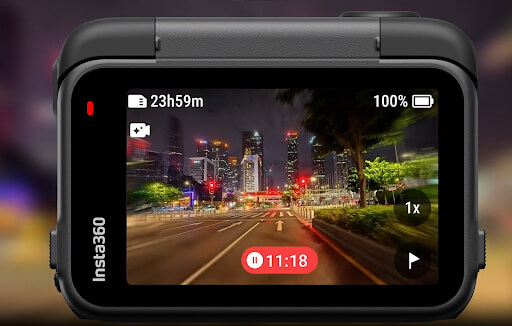
Your dash cam isn’t just for capturing traffic incidents—it’s a treasure trove of untapped creative potential. With the right approach, you can transform ordinary dash cam footage into compelling short films or storytelling projects that captivate viewers and showcase your unique perspective.
In this article, you’ll learn how to elevate raw recordings into cinematic narratives. From choosing the best clips to adding creative edits, we’ll guide you through turning everyday drives into engaging stories. Whether you’re a filmmaker in the making or just experimenting with storytelling, your dash cam could be the key to your next creative masterpiece.
The Creative Potential Of Dash Cam Footage
Dash cam footage captures real moments with an authentic, unfiltered perspective. These raw visuals often include unique angles, spontaneous exchanges, or unexpected occurrences that make for compelling storytelling elements.
You can build visually engaging projects using these recordings by focusing on motion, light, and the natural flow of events. For example, time-lapse sequences of bustling streets, winding roads, or changing weather patterns can generate high visual impact.
Experimenting with pacing adds emotional depth. Slow-motion clips or sped-up montages bring dynamism to otherwise straightforward scenes. Highlighting subtle movements, like flickering lights or shifting landscapes, enhances storytelling layers.
Using ambient sounds captured in the footage, like traffic hums or distant chatter, creates immersive audiovisual experiences. Pairing these with curated music or voiceovers strengthens narrative clarity.
Ask yourself how context can shift meaning. A mundane street corner might signify solitude, community, or transformation when framed differently. It’s about reshaping everyday visuals into storytelling possibilities.
Choosing The Right Dash Cam For Storytelling
High-quality dash cam footage plays a crucial role in storytelling. Selecting the right device can greatly influence the visual and narrative results of your project.
Features To Look For
When choosing a wireless dash cam, seek a wide field of view to capture more of the environment, ensuring scenes feel complete and immersive. For recording longer projects or road trips, prioritize large internal storage or expandable memory options. Wireless connectivity also makes file transfers and remote monitoring a breeze. Choose a model with intuitive controls and stable mounting systems to maintain consistent framing on the move.
Must-Have Specifications For High-Quality Footage
For reliable results, pick a resolution of at least 1080p Full HD, with 4K preferred for detailed imagery. A frame rate of 60fps or higher ensures smooth motion, especially for slow-motion effects.
A wide-angle lens, typically 130° or more, improves context by capturing peripheral details. Ensure compatibility with high-capacity SD cards (128GB or larger) to avoid interruptions during recording. High low-light sensitivity enhances footage shot in darker environments, adding visual depth.
Transforming Raw Footage Into A Narrative
Turning raw dash cam footage into a compelling story requires thoughtful editing and organization. Prioritize clips that evoke emotion, reveal conflict, or capture unique moments to create a coherent sequence.
Finding Inspiration In Captured Moments
Look for themes within your footage that resonate emotionally or highlight real-world experiences, such as an unexpected event, a scenic route, or human interactions. Identify moments that can represent broader ideas like resilience or surprise.
For instance, a close call at an intersection might symbolize tension, while a serene drive along a forest road can evoke tranquility. Viewing the footage through this lens makes it easier to spot meaningful stories.
Developing A Compelling Storyline
Construct a storyline by examining the sequence of events and identifying a beginning, conflict, climax, and resolution. Even short clips can follow this pattern with creative editing.
Inject visual interest through techniques like simulated pans, zooms, or overlays. Use text or animated graphics to clarify parts of the narrative that were not captured. Combine clips with ambient audio or music to enhance the emotional impact and coherence of the story.
Essential Tools And Software For Editing
Turning raw dash cam footage into a narrative requires effective tools. Editing software with features like trimming, cutting, merging, and format conversion streamlines the transformation process. For more advanced edits, multi-track capabilities and options for layering effects enhance creativity.
Popular Video Editing Software Options
Editing programs offer varying functionalities to match your skill level and project type. Basic tools let you remove unwanted sections, combine clips, and add simple text or titles. Advanced options support features such as multiple timelines, speed control, and transitions for unique effects.
Open-source options often include voiceovers, titles, and the ability to piece together footage from multiple angles. Consider what techniques your project demands, such as blending front and rear camera views or adjusting playback speed for dramatic effect.
Audio And Visual Enhancements For Impact
Audio editing transforms how viewers connect with your footage. Adding or layering soundtracks, voiceovers, and ambient noise intensifies emotions and highlights key moments. Adjust volume to balance music and narration.
Visually, cropping removes distractions, while transitions and effects connect sequences smoothly. Captions or timestamps clarify context, and arranging clips in a dynamic order gives your narrative shape. Focus on each detail to sharpen the story’s impact.
Overcoming Challenges In Dash Cam Filmmaking
Transforming dash cam footage into compelling short films demands ingenuity to work around both technological and creative barriers. Thoughtful planning and resourceful editing—especially with tools like the Insta360—can help you achieve surprisingly high-quality results.
Limitations of Dash Cam Technology
Dash cams often record at resolutions like 1080p, but cinematic effects require higher quality. Limited frame rates reduce motion smoothness, particularly in fast-paced scenarios.
Wide-angle lenses distort proportions, restricting creativity in framing. Fixed placements offer limited perspectives, making it hard to capture diverse viewpoints or dynamic movements.
Low-light or high-contrast settings, such as night or sunset, challenge dash cams, with footage sometimes appearing over- or underexposed.
Storage and battery capabilities are often insufficient for extended recording sessions. Planning shorter shoots or carrying extra memory cards helps mitigate these constraints.
Addressing Legal and Privacy Concerns
Dash cam clips may include identifiable faces, cars, license plates, or private properties. You must blur or redact these details to respect privacy regulations.
Consent becomes necessary when capturing individuals for public projects. Depending on the jurisdiction, laws may require permissions for recorded people, cars, or public spaces.
Legal restrictions differ for recording on private property or public roads. Research local laws to ensure footage is compliant before editing or uploading your film.
Showcasing And Sharing Your Short Film
Short films created from dash cam footage can reach wider audiences through strategic sharing. Distribute content effectively by focusing on platforms and building connections with viewers.
Platforms For Storytelling Projects
Share your films on video platforms to reach broad audiences. Channels like social networks help shorter clips become engaging. Niche groups, such as those interested in travel or automotive topics, connect you with targeted viewers, fostering interest.
Collaborative or education-focused platforms work well if your story includes scientific or creative themes. They add context, making the content more relatable. Use compelling titles, captions, and plot summaries to attract attention and ensure accessibility.
Building An Audience For Your Films
Maintain consistency by uploading films regularly to sustain interest. Interacting with your viewers helps create loyal followings.
Collaborations with other creators increase exposure. Stories connecting emotionally or highlighting relatable experiences gain traction with audiences more effectively. Incorporate engaging visual techniques such as subtitles, animations, or scene sequencing to keep viewers invested.
Conclusion
Dash cam footage holds incredible potential to go beyond its practical use, offering a unique
canvas for creative storytelling. With the right tools, techniques, and a bit of imagination, you can transform everyday moments into visually compelling narratives that resonate with audiences.
By focusing on quality footage, thoughtful editing, and strategic sharing, you’ll unlock new ways to express your creativity and connect with others. Whether you’re capturing spontaneous events or crafting cinematic stories, your dash cam can become a powerful tool for storytelling that leaves a lasting impact.
