


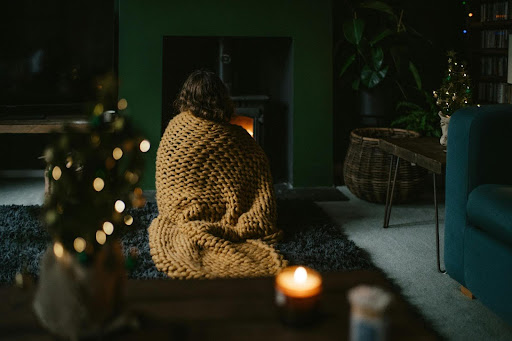
As winter approaches, the thought of cozying up in my warm home always brings a sense of comfort. Yet, having dealt with some seasonal mishaps over the years, I’ve come to realize that winter isn’t always as straightforward as it seems. Ensuring my home remains safe during these colder months has become an annual tradition. Here are some practical steps I’ve taken to create a safer environment for my family each winter.
Prepare the Heating System
During my first winter as a homeowner, I learned the hard way that neglecting the heating system can lead to some frigid days. Having woken up to a chilly home with a malfunctioning furnace, I’ve since made it a point to schedule a yearly check-up. To those with fireplaces, chimneys also need an annual cleaning to prevent dangerous scenarios like chimney fires. It’s not just about comfort—it’s crucial for safety.
If you ever find yourself facing unexpected heating issues, you might wish to consider professional furnace repair to address any immediate concerns. Seeking professional help can ensure your system is running safely and efficiently during the cold months.
Beyond annual check-ups, it’s wise to familiarize yourself with the heating system’s basic operations. Knowing how to quickly troubleshoot minor hiccups can save time and keep your home cozy. Plus, being knowledgeable about when filters need changing can prolong the lifespan of your system, ensuring it runs smoothly all winter long.
Clean the Gutters
This might seem unrelated to indoor safety, but hear me out. Clogged gutters are notorious for causing water damage when snow starts to melt. After a particularly snowy winter, I noticed water dripping in a corner of my living room. After investigating, I found that ice had built up in blocked gutters, leading to an ice dam. Now, clearing gutters is an essential pre-winter activity on my checklist.
In addition, trimming back overhanging branches near the roof can prevent leaves and debris from clogging gutters. Not only does this keep the water flowing smoothly, but it also lessens the risk of ice dams, which can threaten the roof’s integrity.
Inspect Windows and Doors
Nothing drives up a heating bill faster than drafts. I vividly remember curtains swaying in closed rooms because of overlooked gaps. Sealing windows and doors with weatherstripping can significantly reduce heat loss. Last year, I spent a day applying strips to my windows, and I witnessed a noticeable difference in both warmth and energy costs.
An often overlooked factor is the window treatments themselves. Thick curtains or thermal blinds can add another layer of insulation. By drawing them closed at night, you can help trap warm air inside, thereby creating a snug environment and easing the load on your heating system.
Stock Essential Supplies
Last winter’s storm that left us snowed in for a week taught me the importance of readiness. Before the season kicks in, I stock up on non-perishable foods, bottled water, batteries, and any necessary medications. Additionally, having a reliable flashlight and a fully charged external battery for devices is part of my prepping routine, ensuring we’re never caught off guard.
Being prepared also means having enough firewood for those with wood-burning stoves or fireplaces. Having a stack of easily accessible and dry wood can be a lifesaver during power outages, providing warmth and the means to cook if needed.
Test Detectors
I can’t emphasize this enough—functional smoke and carbon monoxide detectors save lives. A close friend’s experience with carbon monoxide poisoning opened my eyes to the unseen dangers of winter heating. Testing detectors monthly not only gives me peace of mind but could potentially prevent a tragedy.
For those of us who rely heavily on electronic devices, integrating smart detectors is an option worth considering. These devices can send alerts to your smartphone when batteries are low or when they detect an anomaly, ensuring you’re always informed, even when not at home.
Secure Outdoor Items
It wasn’t until a powerful windstorm turned my patio furniture into projectiles that I realized the importance of securing outdoor items. Loose items can damage homes during winter storms. Now, before winter sets in, I store and tie down anything that could potentially move or cause damage during harsh weather.
Pools, grills, and swings can also suffer damage if left exposed. To avoid unexpected repair costs, cover them up or, if possible, move them to a sheltered location, ensuring they’ll be intact and ready for the spring thaw.
Final Words
Winter might appear daunting, especially with its unpredictable weather patterns, but preparation can significantly enhance safety and comfort. These steps, drawn from personal experiences, highlight the importance of being proactive. Ensuring your home is winter-ready isn’t just about safety—it’s about creating a space where you can truly enjoy the season without worry.
